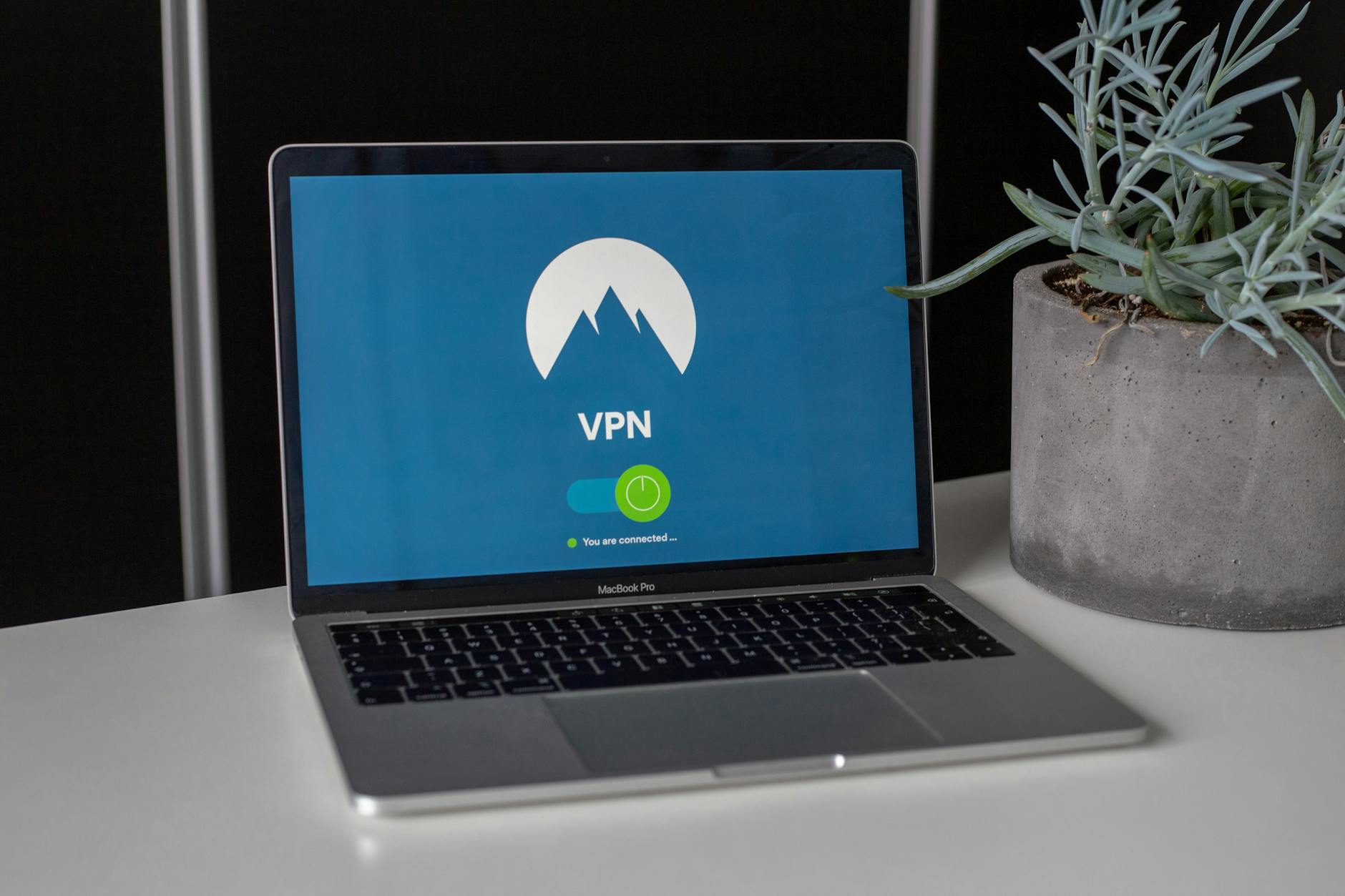
Browser VPNs: Quick Fix or False Sense of Security? (Explaining the 'How' and Common Misconceptions)
Browser VPNs, often presented as a convenient and immediate privacy solution, function by encrypting your data and routing it through a server operated by the VPN provider. This creates the illusion that your internet traffic originates from the VPN server's location, masking your true IP address. However, it's crucial to understand that these are typically browser-level extensions, meaning they only protect the traffic *within that specific browser*. Data transmitted by other applications, operating system processes, or even other browsers on your device remains unencrypted and exposed. This limited scope is a common misconception, leading many users to believe their entire device is secured when, in reality, only a fraction of their online activity is.
The 'quick fix' appeal of browser VPNs often overshadows their inherent limitations, fostering a false sense of security. A primary misconception is that all browser VPNs offer the same level of privacy and security as a full-fledged, system-wide VPN client. This is rarely the case. Many free browser VPNs, in particular, may collect and sell user data, display intrusive advertisements, or even inject malware, directly undermining the very privacy they claim to provide. Furthermore, they can sometimes lead to performance issues due to the additional routing, and their encryption protocols might be less robust than those offered by premium, dedicated VPN services. Therefore, while offering a superficial layer of anonymity for specific browsing activities, relying solely on a browser VPN for comprehensive online security is a perilous gamble.
A free VPN can be a tempting option for those looking to secure their online activity and bypass geo-restrictions without spending a dime. While they offer the basic functionality of a VPN, it's important to research their limitations and potential downsides. Many providers offer a free vpn service with data caps, slower speeds, or fewer server locations compared to their premium counterparts.
Full VPNs: The Complete Security Shield. (Practical Tips for Choosing and Addressing Your Top Concerns)
When considering a full VPN, it's crucial to understand why it's more than just a simple privacy tool. A robust VPN acts as a comprehensive security shield, encrypting all your internet traffic – from web browsing and email to streaming and online banking. This end-to-end encryption means that even if a malicious actor intercepts your data, it will be unreadable. Furthermore, a good VPN masks your IP address, making it incredibly difficult for websites, advertisers, or even your ISP to track your online activities and location.
This level of obfuscation is paramount in an age of pervasive data collection, offering a significant layer of protection against identity theft and surveillance.
Choosing the right full VPN involves careful consideration of several factors to address your top concerns. Look for providers with a strict no-logs policy, meaning they don't store any information about your online activities. Server network size and global distribution are also important, as they impact speed and the ability to bypass geo-restrictions.
Consider features like a kill switch, which automatically disconnects your internet if the VPN connection drops, preventing accidental data leaks. For advanced users, support for various protocols (OpenVPN, WireGuard) and simultaneous connections across multiple devices are key. Always read independent reviews and check for transparency reports to ensure the provider's claims align with their practices.