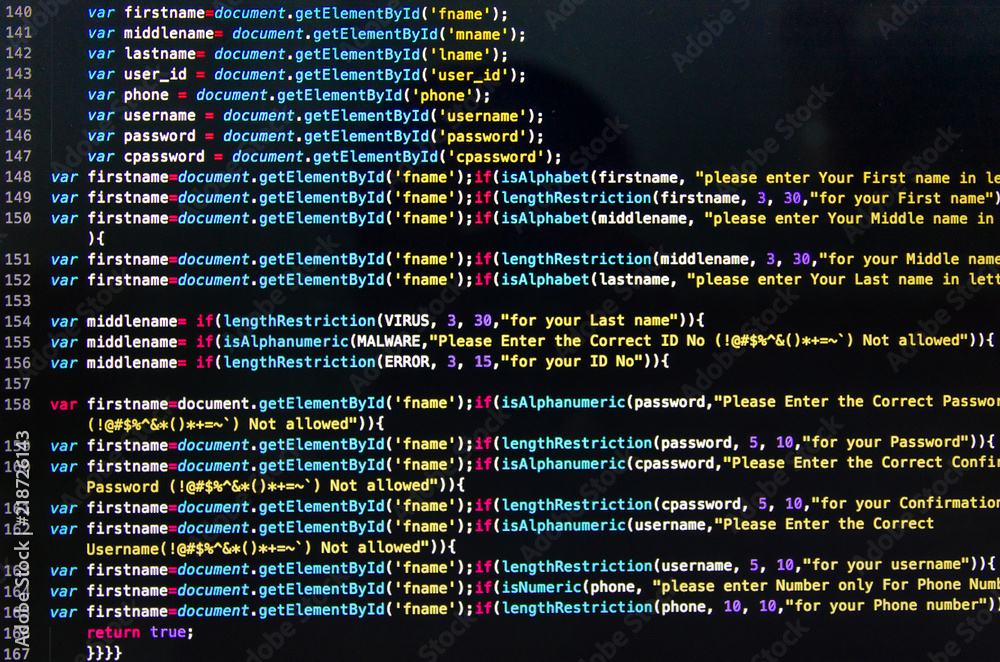
The Essential Ingredients of Coding: What Every Developer Needs to Succeed
In the ever-evolving landscape of technology, coding has become an essential skill for developers looking to make their mark. To succeed in this competitive field, there are several essential ingredients every developer must cultivate. Firstly, a strong foundation in key programming languages such as Python, JavaScript, and Java is crucial, as these languages serve as the backbone for many applications. Additionally, understanding data structures and algorithms enables developers to write efficient and optimized code, which is fundamental when tackling complex problems.
Furthermore, practical experience through project-based learning cannot be overstated. Engaging in real-world projects helps developers apply theoretical knowledge while enhancing their coding skills. Equally important is a solid grasp of version control systems like Git, which facilitates collaboration and tracks code changes. Finally, continuous learning and adapting to new technologies are vital traits for developers aiming to stay ahead in this dynamic field. By embracing these essential ingredients, developers can not only enhance their coding abilities but also pave the way for a successful career in technology.
Counter-Strike is a highly acclaimed first-person shooter game that has captured the hearts of gamers since its inception. Players engage in team-based combat, choosing to play as either terrorists or counter-terrorists in various competitive game modes. The game's strategic depth and fast-paced action make it a staple in the esports scene, leading to numerous tournaments and a dedicated player base. For those interested in enhancing their productivity while gaming or coding, check out the Top 10 Accessories for Coding with MacBook to find essential tools that can boost performance.
Mixing Up the Methods: How Coding Techniques Mirror Cooking Styles
In the world of coding, just like in cooking, the choice of technique can significantly influence the end result. For instance, consider how a chef might choose between grilling or steaming vegetables; similarly, a programmer can opt for different coding methodologies like Agile or Waterfall. Each style has its own strengths, much like the flavor profiles brought out in different cooking methods. By mixing up these approaches, coders can create more dynamic and adaptable solutions, much like a chef experimenting with herbs and spices to elevate a dish.
Moreover, the process of debugging can be likened to refining a recipe. Just as a chef tastes and adjusts seasoning, a developer must systematically analyze their code, refining it until it meets the desired functionality. Collaboration also plays a crucial role—when cooking, multiple chefs might collaborate, each bringing their expertise, akin to how developers work together in teams, merging different coding styles to produce a polished final product. This cross-pollination of ideas not only enhances the creativity of the project but also promotes the sharing of knowledge within the coding community.
Why Every Programmer Should Think Like a Chef: Lessons from the Kitchen
Just like in the culinary world, programming requires a delicate balance of creativity and precision. Chefs meticulously measure ingredients, taste their dishes at various stages, and adjust their techniques based on the outcome. Similarly, programmers need to carefully plan their code structure, debug their scripts, and refine their algorithms to achieve optimal results. Each line of code is akin to a dash of seasoning; too much or too little can drastically change the final product. By adopting this culinary mindset, programmers can learn the importance of experimentation and iteration, ensuring that their software is both functional and delightful for users.
Moreover, the kitchen teaches us about the power of collaboration and communication. In a bustling restaurant, every team member, from the sous chef to the pastry chef, must work in harmony to create a seamless dining experience. Programmers often overlook the value of teamwork, yet modern software development practices emphasize agile methodologies that rely heavily on collaboration. By thinking like a chef, a programmer can appreciate that just as a meal is a collective effort, so too is the development of successful software. Embracing shared responsibility and open communication can lead to more innovative solutions and a more enjoyable coding experience.