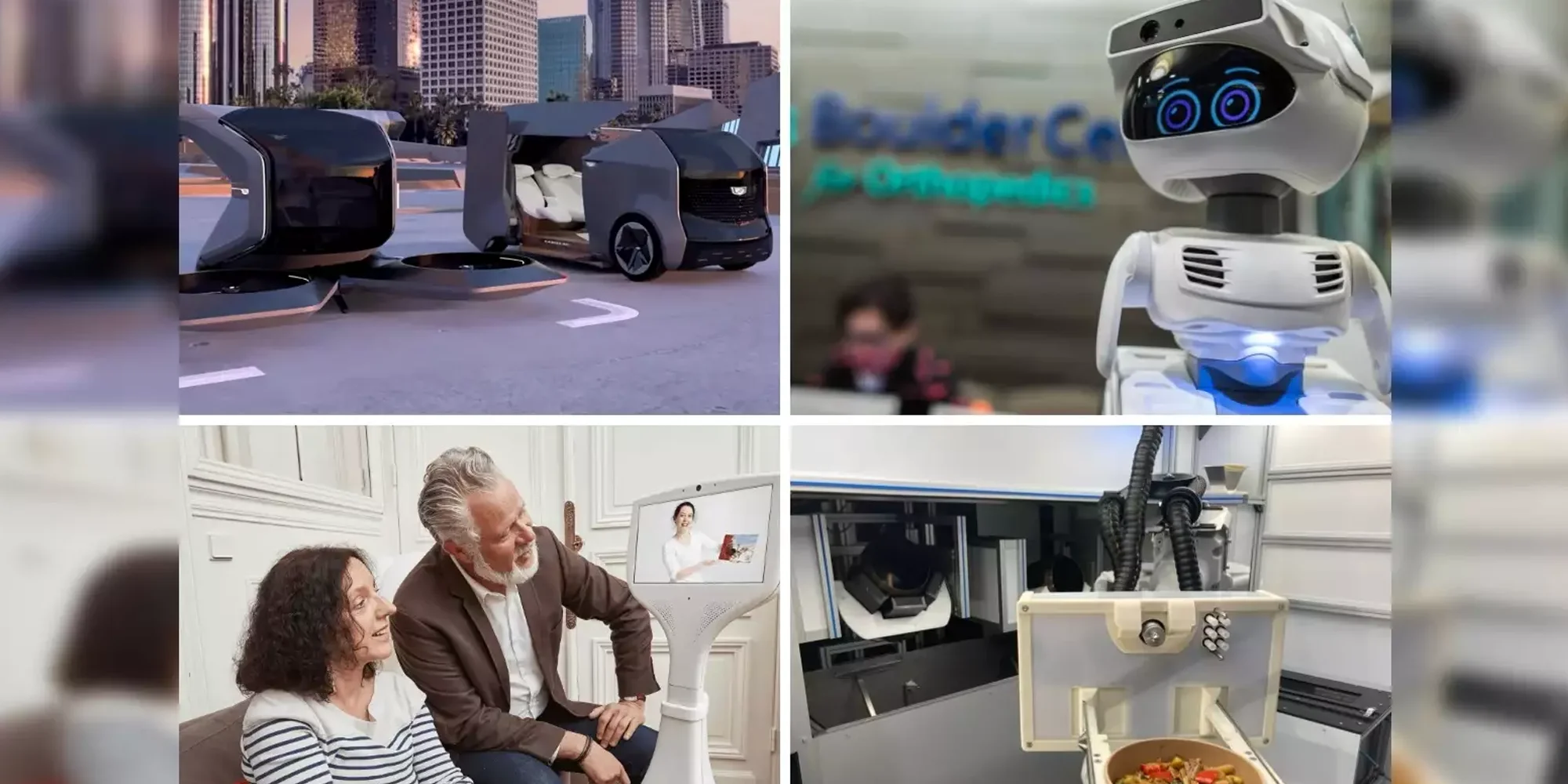
Are We Losing Touch? The Impact of AI on Human Interaction
In today's rapidly evolving digital landscape, many are left wondering, Are we losing touch? The rise of artificial intelligence (AI) has transformed the way we communicate, whether through chatbots providing customer service or AI algorithms moderating our social media interactions. While this technology aims to enhance efficiency and accessibility, it also raises a critical question: What impact does AI have on human interaction? Studies suggest that increased reliance on AI can lead to diminished face-to-face communication skills, as individuals opt for convenience over personal connection.
Moreover, as we integrate AI into our daily lives, we risk losing the essence of genuine human connection. According to a recent survey, over 40% of respondents expressed concern about the authenticity of online interactions dominated by AI-generated content. Key elements like empathy, emotional intelligence, and the ability to engage in meaningful conversations may diminish as we increasingly engage with machines rather than people. Ultimately, while technology offers numerous benefits, we must pause and reflect: are we sacrificing deep, personal connections for the sake of efficiency?
Counter-Strike is a popular tactical first-person shooter game that pits teams of terrorists against counter-terrorists in a variety of game modes. Players can choose from different weapons and strategies to accomplish objectives, such as bomb defusal or hostage rescue. For gamers on the move, a reliable setup is essential, and you can find the Top 10 Travel USB C Hubs to enhance your gaming experience.
Futuristic Gadgets: Enhancing Humanity or Replacing It?
The advent of futuristic gadgets has undeniably transformed the landscape of human interaction and productivity. From smart assistants to wearable technology, these devices promise to enhance our day-to-day experiences by streamlining tasks and providing real-time information. For instance, smart home systems allow users to control their environment effortlessly, improving energy efficiency and convenience. However, this reliance on technology raises a critical question: are we enhancing our humanity or risking its replacement? As we increasingly depend on gadgets for basic functions, it is essential to consider the implications for our mental and emotional well-being.
Moreover, the integration of futuristic gadgets into our lives has sparked debates around the concept of digital authenticity. As artificial intelligence continues to advance, the line between human capabilities and machine efficiency blurs. While these innovations offer unprecedented convenience, they may also lead to a decrease in essential human skills such as face-to-face communication and critical thinking. Some experts argue that embracing these technologies could ultimately result in a loss of human essence, as we risk becoming more like the very gadgets we create. It is crucial to navigate this technological evolution thoughtfully, ensuring that we harness the benefits without leading to our own obsolescence.
Tech Gadgets That Will Challenge Your Sense of Reality
In today's rapidly advancing world, tech gadgets are not just tools; they are redefining our understanding of reality. From augmented reality glasses that overlay digital information onto the physical world to virtual reality headsets that transport users into immersive environments, these devices challenge our perceptions and offer experiences previously thought impossible. Some notable examples include:
- Oculus Quest 2 - A standalone VR headset that delivers an unparalleled gaming and social experience.
- Microsoft HoloLens 2 - A glasses-like device that blends digital content with the real world, ideal for both entertainment and professional applications.
As we embrace these innovative gadgets, the line between the digital and physical realms continues to blur. Consider the potential of neurotechnology, which allows direct communication between the brain and external devices. Gadgets such as Neuralink aim to enhance cognitive functions, while wearable devices like emotiv headsets can capture brainwaves to control applications. These advancements not only challenge our perception of reality but also raise ethical questions about the future of human interaction and understanding. Are we ready to navigate this new frontier?