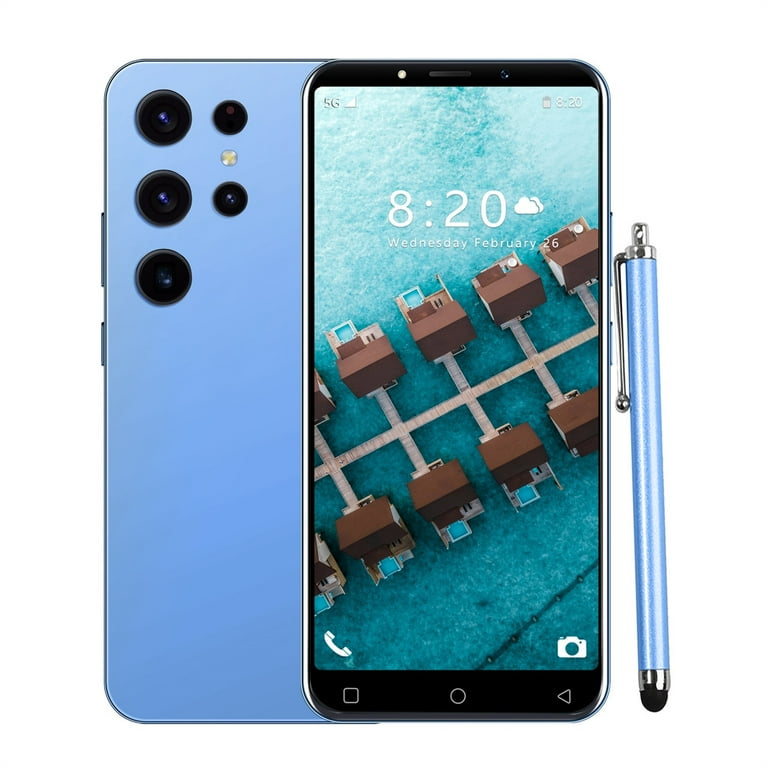
How Smartphones Are Revolutionizing Our Daily Lives
Smartphones have become an integral part of our daily lives, fundamentally changing how we communicate, work, and access information. With the touch of a button, we can connect with loved ones across the globe, share experiences on social media, and stay informed about current events. This constant connectivity has allowed us to break geographical barriers, making communication more instantaneous than ever. The impact of smartphones extends beyond personal interaction; they also serve as gateways to productivity by providing access to essential tools and apps that help us manage our time and tasks efficiently.
Moreover, smartphones have transformed the way we shop, learn, and entertain ourselves. Online shopping apps enable us to make purchases with ease, while educational tools available on mobile devices provide access to a wealth of knowledge at our fingertips. According to recent studies, over 70% of consumers now prefer shopping online due to the convenience offered by their smartphones. Additionally, with streaming services and gaming apps, smartphones have redefined our leisure activities, allowing us to enjoy a vast array of content anytime, anywhere. This revolution in daily life illustrates how smartphones continue to shape our behaviors and expectations in an increasingly digital world.
Counter Strike is a popular first-person shooter game that has captivated players since its release. The game involves two teams, terrorists and counter-terrorists, competing in various game modes, such as bomb defusal and hostage rescue. It requires teamwork, strategy, and quick reflexes to succeed. For those looking to protect their devices while gaming, check out these Top 10 iphone leather cases for style and durability.
The Evolution of Smartphones: A Look at the Past, Present, and Future
The evolution of smartphones has been nothing short of astonishing since their inception in the late 1990s. Initially, devices like the IBM Simon Personal Communicator laid the groundwork by combining the functionality of a mobile phone with that of a PDA. Over the years, technology rapidly advanced, leading to the introduction of devices like the Palm Treo and Blackberry, which catered to business users with email capabilities. The landmark release of the iPhone in 2007 revolutionized the market by introducing a user-friendly touchscreen interface and an extensive app ecosystem, setting the standard for what modern smartphones would become.
Today, the smartphone landscape is dominated by major players such as Apple and Samsung, but innovation continues at a breakneck pace. Current trends include the integration of artificial intelligence for smarter user experiences, foldable screens for enhanced versatility, and 5G technology that promises lightning-fast connectivity. Looking to the future, we can anticipate even more groundbreaking advancements, such as augmented reality capabilities and improvements in battery technology. As smartphones continue to evolve, they will remain central to our daily lives, transforming the way we communicate, work, and play.
Are Smartphones Making Us Smarter or More Dependent?
The debate surrounding whether smartphones are making us smarter or more dependent is a complex one. On one hand, smartphones provide instant access to a wealth of information, enabling users to learn and adapt to new challenges quickly. For instance, apps and tools designed for education have transformed how we acquire knowledge. From language learning to coding tutorials, the potential for personal growth is enormous. However, this accessibility can sometimes lead to over-reliance on technology, clouding our ability to think critically and solve problems without assistance.
Conversely, the convenience afforded by smartphones can foster dependency, leading individuals to lean on their devices for tasks they might have once performed independently. Simple tasks like remembering phone numbers or navigating to new locations can promote a mindset of reliance where cognitive skills gradually decline. In this light, while smartphones hold the potential to increase intelligence and efficiency, they may inadvertently encourage a passive learning attitude and dependency that affects our day-to-day lives.